French Drain vs. Drainage Ditch: Which Does Your Western New York Property Actually Need?
Scott Whittam
Blog
A French drain is usually best when water is sitting under the soil, making your lawn soggy or pushing moisture toward your basement. A drainage ditch or swale is usually better when water is moving across the surface after rain, snowmelt, or runoff from a slope. For many Western New York properties, the right answer depends on where the water is coming from, how fast it moves, and whether clay soil is keeping it trapped.
Why Western New York Drainage Problems Can Get So Frustrating
Western New York properties deal with a tough mix of heavy rain, spring snowmelt, low spots, and clay-heavy soil. When the ground cannot absorb water fast enough, small wet areas can turn into standing water, soft lawns, foundation moisture, or erosion. This is why common landscape drainage problems in Olean, Cuba, and Cattaraugus County often need more than a quick fix. Before choosing a system, it helps to understand what each option is built to solve.
What a French Drain Is Built to Fix
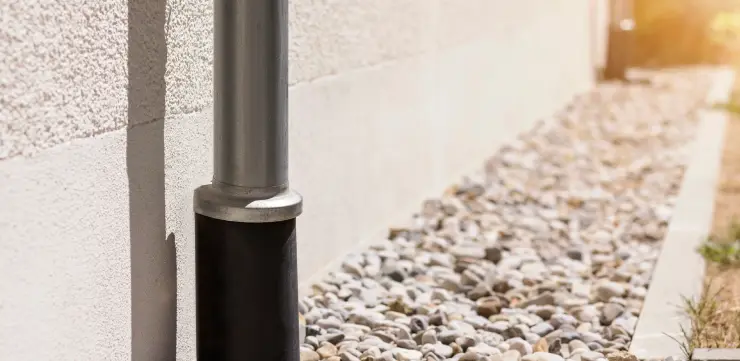
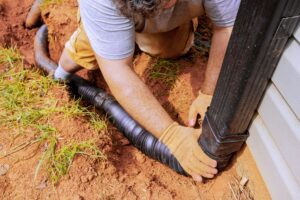
A French drain is a buried drainage system that collects water below the surface and moves it away from the problem area. It usually includes a trench, gravel, filter fabric, and perforated pipe that gives water a clear path to flow. French drains are often the better choice when you notice:
Soft, soggy soil that stays wet for days
Water collecting near the foundation
Basement dampness or seepage
Low lawn areas that never seem to dry
Water trapped under the surface after snowmelt
Muddy sections even when surface runoff is not obvious
If you are searching for french drain installation near me, you are probably dealing with water that keeps coming back in the same area. A properly installed system can move that subsurface water away before it damages your lawn, soil, or foundation.
What a Drainage Ditch or Swale Is Built to Fix
A drainage ditch, also called a swale when it is shallow and graded, handles water that moves across the surface. Instead of collecting water underground, it guides runoff away from buildings, driveways, low areas, and usable yard space. Drainage ditch excavation may be the better option when you see:
Fast-moving water during heavy rain
Water running toward your house
Standing water in open lawn areas
Washouts near slopes or driveways
Runoff from neighboring lots
Water collecting after new construction or grading changes
A ditch or swale can be simple and functional, or it can be shaped to blend into the property with stone and clean grading. The main goal is to create a safe path for water before it spreads, pools, or erodes the soil.
Red Flags That Tell You Which Drainage Problem You Have
Some drainage issues look similar at first, but the signs can point to very different solutions. A wet lawn does not always need a French drain, and visible runoff does not always need a deeper buried system. Use these red flags as a quick guide:
Water sits under the grass for days: You may need a French drain.
Water rushes across the yard during storms: You may need a drainage ditch or swale.
Your basement feels damp after rain: A French drain may help move water away from the foundation.
Your yard has a clear low spot: You may need grading, a swale, or a drain outlet.
Soil washes away after storms: Surface drainage control may be needed.
Problems started after construction: The slope may have changed, and the property may need a full drainage review.
Water comes from a hill or neighboring property: A swale, ditch, or combination system may work better.
The lawn is wet but there is no visible flow: Subsurface water may be the real issue.
These signs can help you narrow the problem down before calling for yard drainage solutions for Olean, NY or nearby areas.
French Drain vs. Drainage Ditch: The Simple Difference
A French drain handles water below the surface. A drainage ditch handles water above the surface. That is the easiest way to think about the difference. Here is a simple breakdown:
Feature
French Drain
Drainage Ditch or Swale
Best For
Wet soil, basement moisture, trapped groundwater
Surface runoff, ponding, washouts
Placement
Buried underground
Open and graded on the surface
Appearance
Mostly hidden
Visible, but can be shaped cleanly
Common Use
Foundation areas, soggy lawns, low spots
Sloped yards, runoff paths, large water movement
Maintenance
Less visible, but harder to access if clogged
Easier to inspect, may need debris cleanup
WNY Benefit
Helps with clay soil and slow-draining ground
Helps with snowmelt, storms, and heavy runoff
Both systems can work well, but they solve different water problems. The wrong choice can move water poorly, leave wet spots behind, or create new issues elsewhere.
Why Some Properties Need Both Systems
Some properties in Cattaraugus and Allegany counties deal with soggy soil and surface runoff at the same time, especially on low lots, clay-heavy yards, slopes, or areas affected by new construction. A French drain can collect water below the soil, while a swale or drainage ditch can move surface water away.
This can be especially useful for:
Homes near slopes
Properties with clay soil
Wet basements and standing lawn water
Yards affected by new construction
Driveways that push runoff toward the lawn
Low or uneven lots in Cuba and Cattaraugus County
Our Go-To Drainage Team for French Drains and Yard Water Problems
At Kustom Lawn Kare, we help property owners fix water problems before they cause bigger damage. We install French drains for wet lawns, basement moisture, foundation protection, erosion control, and poor drainage areas.
We also offer stormwater runoff solutions, catch basins, and drainage ditches. Whether you need help in Olean, Cuba, Cattaraugus County, or nearby Western New York areas, we can recommend the right system for how water moves on your property.
Choose the Right Drainage Fix Before Water Causes More Damage
If your property has soggy soil, basement moisture, standing water, or recurring runoff, the right fix depends on how the water moves. A professional drainage solution can help protect your foundation, reduce muddy areas, and keep your property easier to maintain. Contact us today to schedule your drainage service in Western New York.