
Choosing between hydroseeding and sod depends on your budget, property size, and how quickly you want a finished lawn. Hydroseeding is generally more affordable and works well across large or sloped areas, while sod provides an instantly green surface at a higher upfront cost. Understanding how each option works can help you make the right choice for your property.
What Is Hydroseeding?
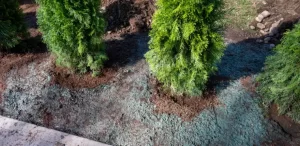
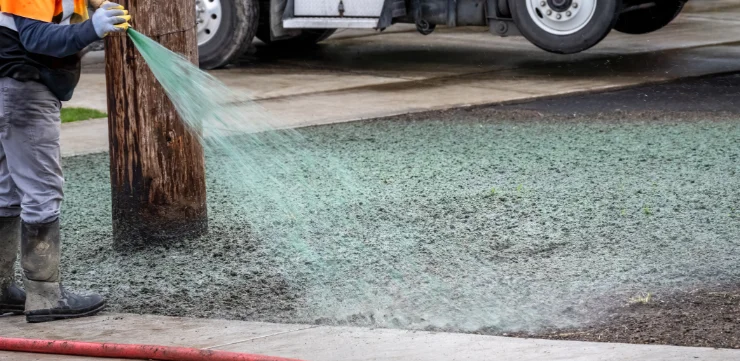
Hydroseeding applies a mixture of grass seed, fertilizer, mulch, and water directly to prepared soil. The mulch holds moisture around the seeds and helps protect the soil while the grass begins to grow. It is a practical way to establish consistent coverage without placing individual rolls of turf.
Homeowners often choose hydroseeding for:
- Large yards where sod installation could become expensive
- Slopes and other areas where soil erosion is a concern
- New construction properties with extensive bare soil
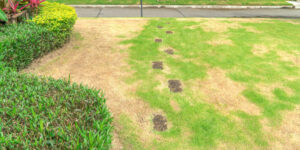
- Lawn renovations involving thin or damaged grass
- Projects that allow time for seed to germinate and mature
The grass may begin sprouting within one to two weeks under favorable conditions, but it needs additional time to become established. Weather, soil preparation, seed type, and watering can all affect the schedule.
What Is Sod Installation?
Sod is mature grass grown elsewhere and delivered in rolls or sections. Once the soil has been prepared, the pieces are laid closely together to create a finished lawn. This provides green coverage immediately, although the roots still need time to attach firmly to the soil.
Sod may be the better fit when:
- You want the appearance of a complete lawn right away
- The installation area is relatively small
- You need immediate soil coverage
- You can keep people and pets off the grass while it roots
- Your budget allows for the added material and labor costs
A newly installed sod lawn is not ready for normal use on the first day. It commonly takes a few weeks for its roots to establish, and careful watering during this period is essential.
Comparing the Cost of Hydroseeding and Sod
Hydroseeding typically has a lower upfront cost because it does not require purchasing, transporting, and laying mature turf. The difference can be especially noticeable on a large property. However, hydroseeded grass also requires consistent watering and patience while it develops.
Sod costs more because the grass has already been grown and must be installed quickly after delivery. The final price for either method will vary based on several project details:
- Total square footage
- Soil condition and preparation needs
- Property access
- Grade and slope
- Grass variety
- Watering requirements
- Labor and material costs
General cost comparisons are useful for early planning, but they are not a substitute for a property-specific estimate. A professional assessment provides a more accurate price based on the condition and layout of your yard.
Which Option Creates a Lawn Faster?
Sod is the clear choice when appearance is the main priority and you want green grass immediately. It changes the look of a bare property as soon as installation is complete. Even so, the lawn must be watered carefully and protected from regular traffic while its roots take hold.
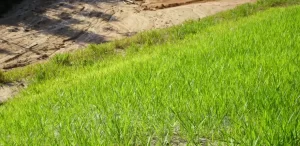
Hydroseeding takes longer because the grass must grow from seed. Sprouts may appear within several days to two weeks, but establishing thicker coverage usually takes several more weeks. Results depend heavily on weather and whether the recommended watering schedule is followed.
Is Hydroseeding or Sod Better for Slopes?
Hydroseeding is often a good option for gradual slopes and large areas that need help controlling erosion. Its mulch layer protects the soil while the seeds germinate, and the developing roots provide greater stability over time. Application equipment can also reach spaces where laying rolls of sod would be difficult.
Sod provides immediate coverage and may offer faster stabilization in certain situations. However, it must be installed carefully on slopes so the pieces do not shift before rooting. The steepness, drainage pattern, and current soil condition should all be evaluated before choosing a method.
How Much Maintenance Does Each Method Require?
Both methods need attention after installation, but the care routines are different. Hydroseeding usually requires light, frequent watering to keep the seed and mulch consistently moist. Walking across the area too early can disturb the seed mixture and create uneven growth.
Fresh sod also needs frequent watering so that its roots do not dry out before joining with the underlying soil. Edges and seams can be especially vulnerable during this period. Irrigation can normally be reduced once the sod is firmly rooted and showing healthy growth.
With either option, homeowners should follow the recommended schedule for watering, mowing, and fertilizing. Good aftercare can make the difference between a dense lawn and one with thin or struggling areas.
How to Choose the Right Option for Your Yard
There is no single answer that works for every property. Your priorities and the condition of the installation area should guide the decision. Start by considering the factors that will have the greatest effect on your project:
- Set your budget: Hydroseeding is usually more economical for large areas, while sod requires a larger upfront investment.
- Decide how quickly you want coverage: Sod looks complete immediately, while hydroseeded grass needs time to grow.
- Consider the size and slope: Hydroseeding works well for expansive or sloped areas. Sod can be convenient for smaller, more manageable spaces.
- Think about access: Pets, children, and regular foot traffic must be kept away while either lawn establishes.
- Review your watering plan: Both methods require reliable, consistent watering during their early stages.
If affordability and coverage are your main concerns, hydroseeding may be the practical choice. If immediate appearance matters most and the higher price fits your budget, sod may be worth the investment.
Professional Hydroseeding and Sod Services for Your Property
At Kustom Lawn Kare, we help property owners select a lawn installation method based on their soil, timeline, budget, and property conditions. Our hydroseeding and sod services support new construction projects, erosion control, lawn renovations, and new lawn installation throughout Olean and surrounding communities. We prepare the soil, choose an appropriate grass mix, and complete the application or installation with long-term growth in mind.
Start Planning Your New Lawn Today
Whether hydroseeding or sod is right for your yard, proper preparation and installation will help you get better, more consistent results. Our team can evaluate your property, explain the advantages of each option, and recommend a solution that matches your goals. Contact us today to request an estimate for professional hydroseeding or sod installation.