Spring Yard Cleanup Checklist: 9 Things to Do in Western New York
Scott Whittam
Blog
A spring yard cleanup checklist helps Western New York homeowners figure out what needs attention once the snow melts and the property begins drying out. Start by clearing winter debris, checking the lawn and landscape beds for damage, cleaning edges, inspecting drainage, and preparing the property for regular mowing and maintenance.
The key is not to rush outside at the first sign of warmer weather. Western New York lawns can remain soft and saturated after snowmelt, so giving the ground time to firm up can help prevent unnecessary damage while you work.
When Should You Start Spring Yard Cleanup in Western New York?
The best time for spring yard cleanup in Western New York is after most of the snow has melted and the ground is dry enough to handle foot traffic. If your shoes sink into the lawn or leave noticeable impressions, the soil probably needs more time to dry.
Before getting started, look for a few signs that your property is ready:
Most or all remaining snow has melted
The lawn feels firm rather than muddy
Standing water has started to drain
Grass is beginning to show signs of spring growth
Daytime temperatures are consistently warming
Your 9-Step Spring Yard Cleanup Checklist
Every property will need slightly different attention after winter, but these nine tasks provide a practical starting point for getting a Western New York yard back into shape.
1. Walk the Property and Look for Winter Damage
Before raking or trimming anything, take a slow walk around the property. Look for broken branches, bare lawn areas, flattened grass, washed-out soil, standing water, damaged edges, and anything else that winter may have affected.
This first inspection can also help you separate simple cleanup work from problems that may need additional lawn, landscaping, or drainage work later in the season.
2. Remove Leaves, Branches, and Winter Debris
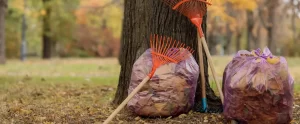
Snow and wind can leave leaves, twigs, branches, and other debris scattered across the lawn. Removing this material clears the surface and makes it easier to see how the grass underneath handled the winter.
Pay extra attention to areas where debris tends to collect, including:
Fence lines and property corners
Around shrubs and landscape beds
Along retaining walls and walkways
Beneath mature trees
Low areas where leaves collect
3. Lightly Rake Matted Grass
Grass can flatten under snow and wet leaves. Once the lawn has dried, light raking can help lift matted areas and remove loose dead material without putting too much stress on new spring growth.
Avoid aggressive raking when the soil is still soft. Pulling hard across a wet lawn can disturb healthy grass and leave the surface looking worse instead of better.
4. Clean Out Landscape Beds
Leaves, branches, dead plant material, and other debris often build up in landscape beds during winter. Clearing that material gives the beds a cleaner appearance and makes it easier to see which plants are returning for the season.
Spring is also a good time to check the condition of existing mulch, bed edges, and exposed soil. Once the cleanup is complete, you can decide whether the beds need fresh mulch or other seasonal maintenance.
5. Trim Damaged or Unwanted Growth
Winter weather can leave behind broken, dead, or damaged branches on shrubs and other landscape plants. Selective trimming can remove obvious damage and improve the property’s overall appearance before spring growth becomes heavier.
Not every plant should be heavily cut back at the same time, so avoid trimming everything on the property at once. Focus first on damaged material and use an appropriate pruning schedule for the plants you have.
6. Redefine Landscape Bed and Walkway Edges
Snow, runoff, frost, and general winter wear can soften the clean lines around landscape beds and paved areas. Re-establishing those edges helps the property look more polished before mowing and other routine maintenance begin.
Clean edges also make it easier to maintain separation between turf, mulch, walkways, and other landscape areas throughout the growing season.
7. Check for Excess Thatch and Compacted Areas
Take a closer look at areas where the lawn seems especially dense, spongy, thin, or slow to recover. Excessive thatch or compacted soil can interfere with how effectively water, air, and nutrients reach the root zone.
Dethatching is not automatically necessary for every lawn each spring. Evaluate the turf condition first so you can address the actual problem rather than adding unnecessary work to your cleanup.
8. Look for Drainage Problems
Snowmelt and spring rain make this one of the easiest times of year to identify poor drainage. Watch where water travels across the property and note any areas that stay wet long after surrounding sections begin drying.
Common warning signs include:
Persistent puddles in the lawn
Soggy areas near downspouts
Soil washing away from landscape beds
Water collecting beside walkways or patios
Wet areas close to the home’s foundation
9. Prepare the Lawn for the First Mow
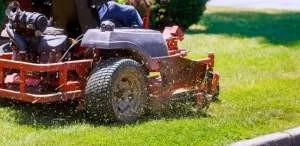
Once you’ve removed debris and the lawn is actively growing, you can begin preparing for regular mowing. Walk the yard one final time to remove small sticks, stones, or other objects that could interfere with mowing equipment.
Avoid mowing simply because the calendar says spring has arrived. Waiting until the grass is growing and the ground is firm enough can help you start the season without creating ruts or damaging soft turf.
Spring Cleanup Areas Homeowners Often Miss
The most visible parts of the lawn usually get attention first, but smaller areas around the property can collect a surprising amount of winter debris. A quick inspection of these spots can make the final cleanup feel much more complete.
Remember to check:
Around outdoor equipment and utility areas
Under decks, stairs, and overhangs where accessible
Behind shrubs and along foundation plantings
Drainage outlets and downspout discharge areas
Along fences, walls, and property boundaries
Around patios, walkways, and driveway edges
What Should You Avoid During an Early Spring Cleanup?
A productive spring cleanup is as much about knowing what to leave alone as knowing what to tackle. Working too aggressively while the property is still wet can create additional lawn damage that takes time to recover.
Try to avoid:
Walking or operating heavy equipment on saturated soil
Aggressively raking soft or muddy turf
Cutting grass before active growth begins
Automatically dethatching a lawn that does not need it
Removing healthy plant material without knowing the proper pruning timing
Ignoring standing water that returns after repeated rain
When Does Professional Spring Cleanup Make Sense?
Smaller properties with limited winter debris may only require a few hours of homeowner cleanup. Larger yards, mature landscapes, heavy debris, extensive beds, or properties with multiple maintenance needs can turn spring cleanup into a much bigger project.
Professional help may make sense when:
Winter debris is spread throughout a large property
Landscape beds require extensive cleanup and edging
Shrubs need trimming or light pruning
The lawn needs dethatching or additional attention
You want the property prepared before regular mowing begins
Start the Season With a Cleaner, More Manageable Yard
Completing your spring yard cleanup checklist gives you a chance to clear away winter debris, identify lawn and drainage problems, and prepare your landscape for the growing season ahead. Getting these tasks handled early can also make routine mowing and property maintenance easier as spring growth picks up.
Kustom Lawn Kare provides professional spring cleanup services for homeowners throughout Olean and surrounding Western New York communities. Contact us today to schedule your spring cleanup and get your property ready for the season ahead.